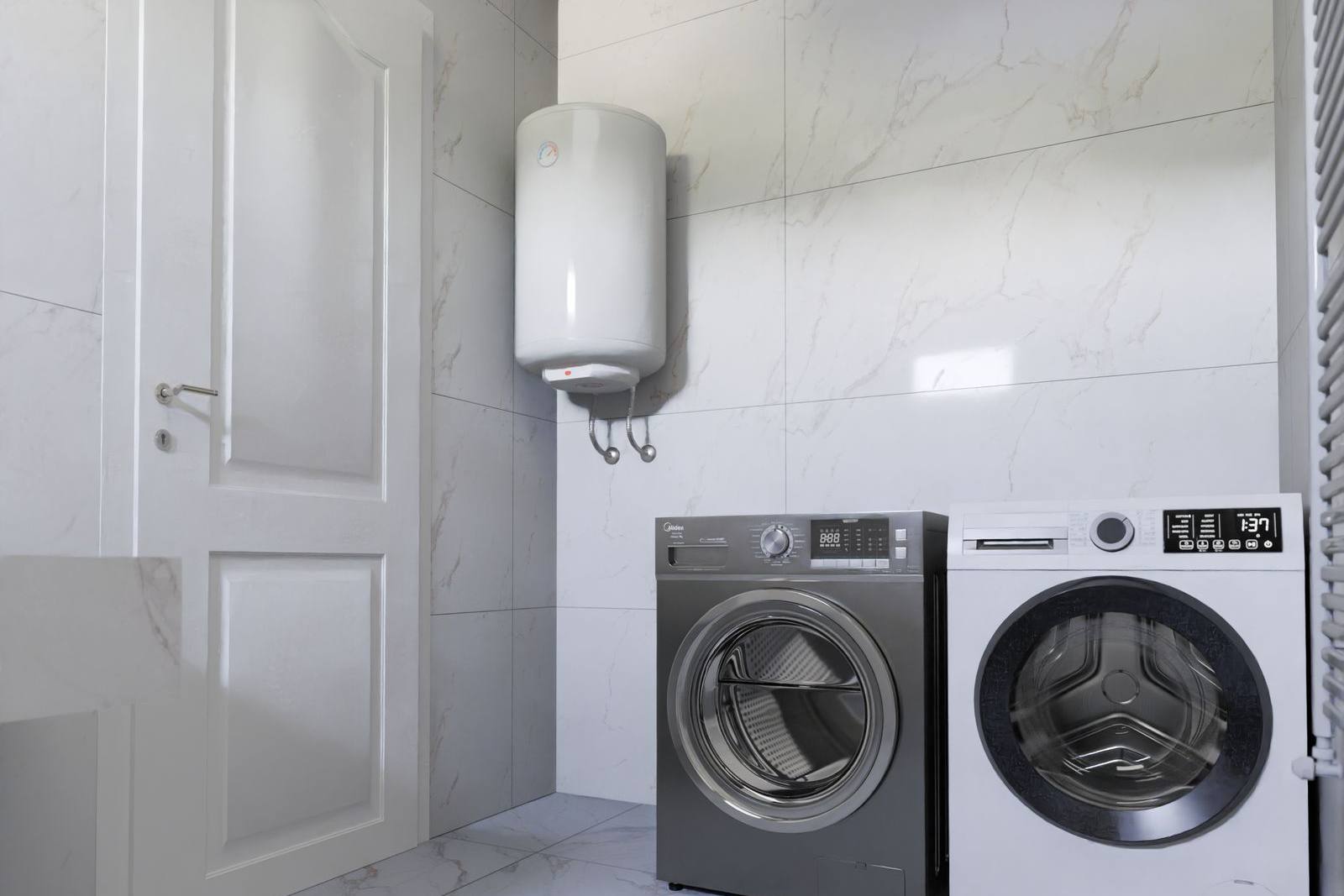
Water heater maintenance in Tampa
A water heater is one of the few appliances in a home that works every day and gets ignored until it fails. Maintenance is the difference between a heater that lasts 8 years and one that lasts 12 — and in Tampa, where the local water and climate work against the heater, it matters more than in most places.
Tampa's water is very hard — the City of Tampa's 2025 water quality report puts average hardness at 12.3 grains per gallon (211 mg/L), and the city says it swings from about 8 to 17 grains per gallon through the year, lower in the wet season and higher in the dry. The supply blends Hillsborough River water with Floridan Aquifer groundwater. That mineral load is the single biggest enemy of a water heater here: sediment in tanks, scale on elements and tankless heat exchangers.
Tampa is hot and humid most of the year, with summer highs in the 90s and afternoon thunderstorms. Salt air from the bay corrodes fittings and vents on homes near the water, and heaters in garages run in high ambient heat and humidity for months at a time.
What a tune-up includes
- - Flushing the tank. Sediment is drained out through the bottom valve. In hard-water areas this is the single most valuable item on the list — sediment insulates the water from the burner or element, makes the heater work harder, and causes the popping noise many owners hear.
- - Anode-rod check. The anode rod is a sacrificial metal rod inside the tank that corrodes so the tank does not. Once it is gone, the tank itself starts rusting. Checking it once a year and replacing it when it is worn out is the cheapest life extension a tank heater has.
- - Relief-valve test. The temperature and pressure relief valve is the heater's safety device. It should be tested to confirm it opens and closes properly.
- - Inspection. The provider checks for corrosion on fittings and connections, venting problems, gas leaks, and signs of a tank starting to fail — rust streaks, dampness at the base, or a pilot that struggles.
For tankless units, maintenance means descaling the heat exchanger — usually once a year, more often where the water is hardest — plus cleaning the inlet filter and checking the condensate drain.
How often?
Once a year is the right interval for most homes in Tampa. Homes with very hard water, or with a tankless unit, should not stretch it longer. A heater that has never been flushed and is already past ten years old may not benefit much from a first flush — heavy sediment that has hardened cannot always be removed, and in rare cases flushing an old, neglected tank exposes a leak that the sediment was plugging. A provider should be honest about that before starting.
Maintenance or replacement?
Maintenance extends a heater's life; it does not restore one that is already failing. If the tank is leaking, if the water is rusty from the tank itself, or if the heater needs a major part at 10–12 years old, replacement is the better spend. See the replacement page for how that decision works.
Frequently Asked Questions
How much does maintenance cost?
It depends on the heater type and what is found. A basic flush and inspection is the least expensive service a water heater ever needs, and it is far cheaper than an emergency replacement. The provider who responds gives the price before work starts.
Can I flush my own water heater?
A homeowner can flush a tank heater with a garden hose and basic care, but the relief valve, anode rod, and gas or electrical work should be left to a provider. If you are not comfortable with any step, do not start.
Does maintenance really extend the life of a heater?
Yes — flushing and anode-rod replacement are the two items with the clearest effect on tank life, especially where the water is hard. They do not make a heater last forever, but they reliably add years.
Which areas do you cover?
Tampa and the other cities on the service area page — 92 ZIP codes in total.